In this guide
Key takeaways
- Pick a method that fits both names, not just one
- Say every blend out loud before you keep it
- Try both name orders, because one almost always sounds better
- Aim for a blend people can spell after hearing it once
To mix two names, cut a piece from each one and join the pieces so the result is easy to say. The fastest way is to take the start of the first name and the end of the second, such as Liam and Ava becoming Liva. This guide gives you seven methods, the rules for joining letters smoothly, and a way to pick the best blend.
What a name mix actually is
A name mix, also called a name blend or a name mash-up, is one new name built from parts of two or more existing names. Linguists use the word "blend" for words made this way, like "brunch" from "breakfast" and "lunch." The idea is the same here. You keep enough of each name that people can still hear both, and you drop the rest.
People mix names for many reasons. Couples want a joint name for a wedding hashtag. Friends want a team name. Parents of a new pet want something that honors two family members. Writers blend character names for a fan pairing. A small project might use two founder names as a starting point for a handle.
A good blend has three jobs. It must be easy to say. It must be easy to read. And it must still point back to both source names. A blend that fails the first job gets shortened by everyone who uses it. A blend that fails the third job is just a made-up word.
You can mix names by hand with nothing but a pen, and the seven methods below show how. If you would rather see dozens of options at once, the Name Mixer runs these kinds of combinations instantly, and you can pick favorites from the list.
Seven methods to mix two names
No single method works for every pair. A method that gives a lovely result for Liam and Ava may give nonsense for Noor and Kai. Treat these as seven tools. Try a few, then keep the one that sounds best.
1. Overlap blend
Look for letters where the end of the first name matches the start of the second. Write the shared part once and glue the rest around it.
- Leo + Omar = Leomar
- Kai + Ian = Kaian
- Mina + Naomi = Minaomi
- Ravi + Vivian = Ravivian
In Leo + Omar, the shared letter is the "o." Leo loses nothing and Omar loses nothing, yet the result is shorter than the two names side by side. Overlap blends feel the most natural because every letter of both names survives. The catch is that overlaps are rare, and they only work in one direction. Omar + Leo has no overlap, because Omar ends in "r" and Leo starts with "L."
Watch the length. Ravivian keeps both names whole, but it has four syllables and looks heavy on a screen. If an overlap gives you something longer than about eight letters, consider trimming one side.
2. First half plus second half
This is the classic. Take the first part of one name and the last part of the other. Cut where a syllable ends, not in the middle of one.
- Liam + Ava = Liva
- Ava + Liam = Aviam
- Mina + Zoe = Zona (reversed order and halves)
- Sana + Ravi = Savi
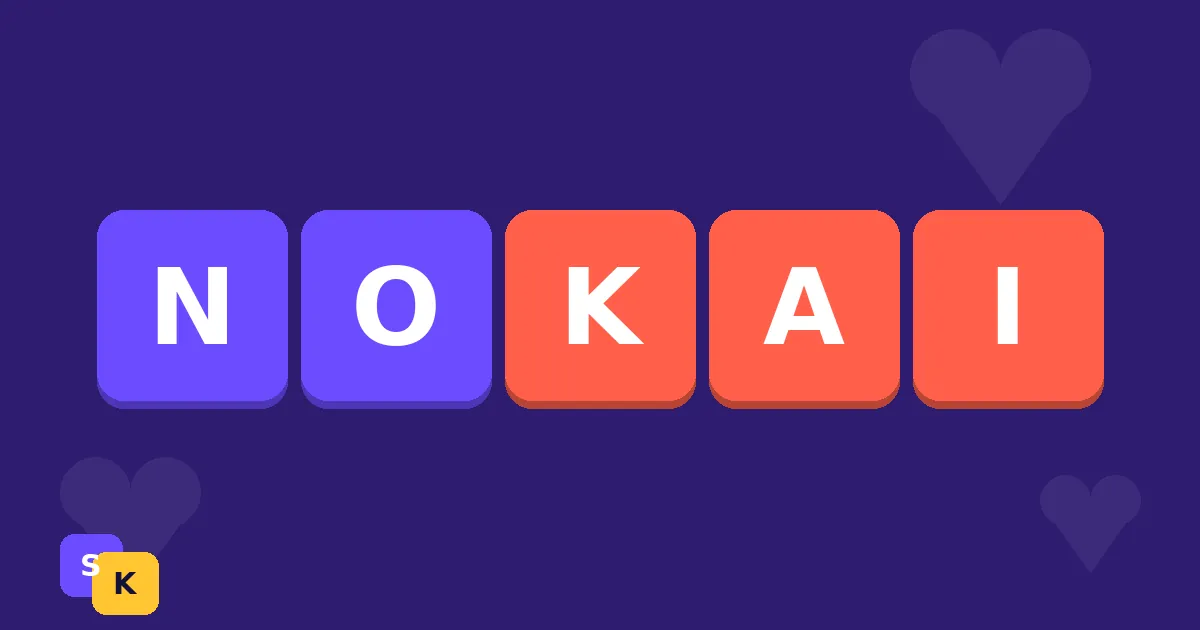
- Noor + Kai = Nokai
Notice the Noor and Kai pair. A strict half cut gives "No" plus "ai," which makes "Noai." Two vowels in a row make it hard to tell where the sounds break. Moving the cut so the second piece starts on a consonant fixes it: "No" plus "Kai" gives Nokai. When a half cut looks wrong, slide the cut point one letter either way before you give up.
Always try both orders. Liva and Aviam come from the same two names, yet they feel completely different. One may be easier to say, one may look better, and one may sound too close to a word you did not mean.
3. Syllable swap
Split each name into syllables, then trade a syllable between the names. This works best when both names have two syllables, because one swap gives you two blends at once.
- Ra-vi + Sa-na: Sa-vi and Ra-na
- Mi-ra + Jo-nas: Mi-nas and Jo-ra
Swapping the first syllables of Ravi and Sana gives Savi and Rana. Neither one is a full blend of both names, since each keeps one half of one and one half of the other, and that is the point. You get a pair of names that clearly belong together. That makes the swap useful for two friends or two pets who each get a name that shares DNA with the other.
The swap fails when a name has three or more syllables, because the result gets long. It also fails when both names share a syllable, since swapping identical pieces changes nothing.
4. Interleaving letters
Interleaving means alternating letters from each name. Done in the simple way, it usually looks terrible. Ava and Leo, alternating one letter at a time, give "Alveao." Nobody wants to say that.
The better version of this idea is to split the job. Take the consonants from one name and the vowels from the other, then weave them back together. Mina has the consonants M and N. Zoe has the vowels O and E. Weave them in order and you get M-O-N-E, which is "Mone." It reads smoothly because consonants and vowels alternate, which is how most easy names are built.
- Mina (consonants) + Zoe (vowels) = Mone
- Ava + Leo, plain alternation = Alveao (hard to read)
This method is experimental. It gives short results and surprising ones, and it is fun to try, but the output often drifts away from both original names. Use it when you want something that looks new rather than something that is obviously a mix.
5. Shared-letter anchor
When two names share a letter or short letter group anywhere, use that spot as the hinge. Keep the start of the first name up to the shared part, then continue with the second name after its shared part.
- Omar + Mina = Omina (anchored on the "m")
- Ravi + Ava = Rava (anchored on "av")
Omar has an "m" in the second position. Mina has one at the start. Join Om with the rest of Mina, "ina," and the result is Omina. Because the shared letter sits in the middle, people hear it as natural, not stitched. This method also finds blends that the overlap method misses, since the shared part does not need to be at the very end or very start.
The weak point is that the result can be nearly identical to one of the source names. Rava is close to Ravi. If one name dominates, try anchoring on a different shared letter or switch to another method.
6. Initials and short-form combo
Sometimes the best blend is not a smooth word at all. Use the first one or two letters of each name, or use initials.
- Ava + Liam = AvLi
- Mina + Zoe = MiZo
- Ava + Liam = AL
- Omar + Leo = OmLe
This approach is common for handles, team tags, and gift engraving. Capital letters in the middle, like MiZo, help readers see the two pieces. A short combo is also easy to type. The risk is that it can look like a code. AL could stand for anything, and AvLi sounds a little like a typo. Use this method when short length matters more than sound.
7. Rhyme or sound-alike twist
Here you build a rough blend first, then nudge it toward a sound people already know. Sana + Ravi gives Savi, which sounds like "savvy." Keeping the spelling as Savi respects both names. Spelling it Savvy would be a playful twist, though it leans away from the source names.
- Sana + Ravi = Savi (sounds like "savvy")
- Zoe + Kai = Zokai, tweaked to Zokay
The twist is useful because a familiar sound sticks in memory. The risk is going too far. If the final name no longer shows either source, you have invented a new name, not a blend. That can be fine, but be honest with yourself about which one you are making.
How to judge a blend
Once you have a few candidates, use four checks. They take about a minute per name.
Pronounceability
Say the name out loud three times at normal speed. If you stumble even once, a stranger will stumble more. Also say it to another person and ask them to repeat it back. If they change a sound, that change will happen to everyone.
Length
A good rule of thumb is four to eight letters. Short names are easy to type and remember. Past eight or nine letters, a blend starts to feel like two names stuck together, and people will shorten it. This is a guideline from practical use, not a hard rule. Some long blends work well because the rhythm is smooth.
Readability
Look at the name written down, in lowercase, with no capitals. Can a stranger tell where to split it into sounds? Strings like "Omravi" pack three consonants together and make readers hesitate. Names that alternate consonants and vowels read easily.
Which name leads
The first part of a blend carries more weight, because people hear it first. If one person or one name should be recognized first, put it first. If neither should win, choose the order that sounds better and let the other name appear in a subtitle or caption. For a couple or a pair of friends, many people also choose based on which version ends on a pleasant sound. That is a matter of taste, not a rule.
When the order matters socially, ask both people. Few things feel worse than finding out later that a shared name favored one person by accident. The couple name blends guide covers order in more detail.
Vowel and consonant junction rules
The junction is the spot where the two pieces meet. Most bad blends fail there. A few simple rules prevent most problems.
- Prefer a consonant and vowel meeting. A piece ending in a consonant followed by a piece starting with a vowel, or the reverse, flows well. Lev + Ava gives "Levava," which rolls off the tongue.
- Avoid two vowels in a row when you can. Noor + Kai cut as "Noai" is hard to say. Two vowels together can work, as in Kaian, but only when the pair is a common sound in English.
- Limit consonant pile-ups. Two consonants together are usually fine. Three in a row, as in "Omravi," slow readers down.
- Check for repeated sounds. A junction that doubles a letter, like "Minna" from Min + Na, can look like a spelling mistake or change the way people say it.
- Read the junction aloud, alone. Say just the two letters or sounds that meet. If that tiny moment feels clumsy, the whole name will too.
These are guidelines drawn from how English is usually spoken, not strict laws. Names from other languages have different sound patterns, and a junction that is awkward in English may be perfectly natural in another language. If your audience speaks that language, trust their ears.
When names are tricky
Very short names
Names with two or three letters leave little to cut. With Al and Jo, a half cut gives you one letter each, and the result is just "AJ." Instead of cutting, keep each name whole and join them: Aljo. You can also add a small connector like a vowel, Aljo or Alojo, though extra letters can drift from the originals. For very short names, an initials combo or a whole-name join usually beats a split.
Very long names
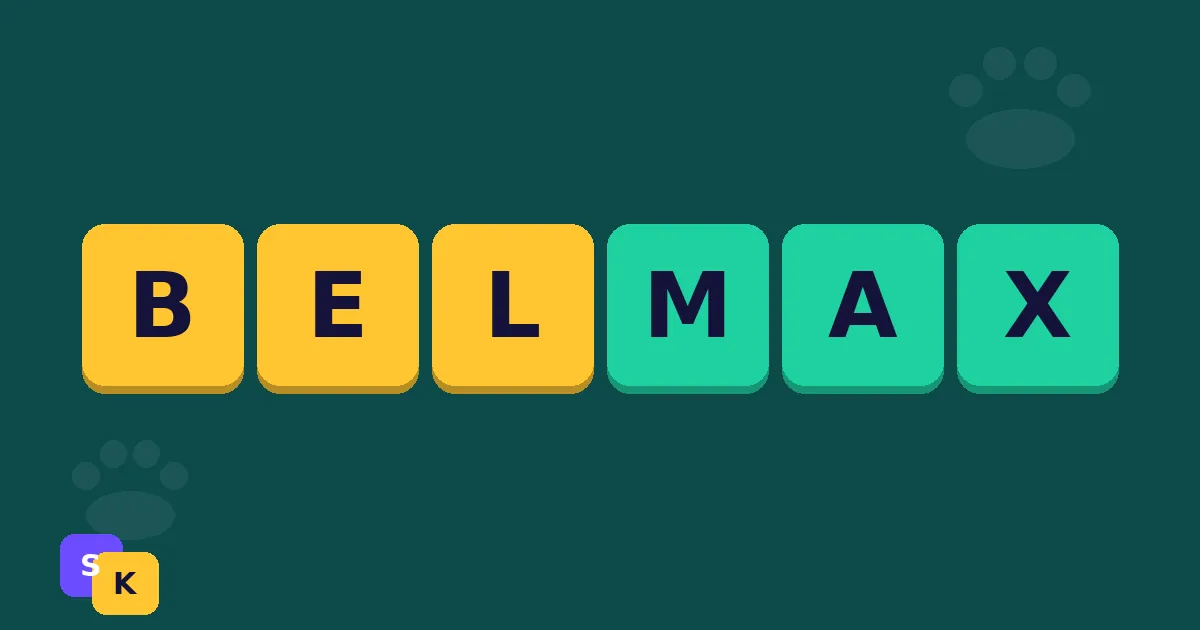
Long names such as Alexandria and Maximilian give you too many letters. Shrink each to a short form first, then blend the short forms. Alex and Max can become Alemax. The short form you pick matters, so choose the one the person actually uses. Blending the formal version of a name that nobody uses will feel strange to the person who owns it.
Names with similar endings
This is a trap. Mira and Sara both end in "ra." Take the first half of one and the second half of the other, and you get "Mi" plus "ra," which is Mira. You just rebuilt one of the starting names. The fix is to change the cut. Use the starts instead: Mi + Sa gives Misa, and Sa + Mi gives Sami. You can also use a syllable swap or an initials combo, since those do not rely on the ends.
Mixing three names
Three-name blends work best when you take a short piece from each. Zoe, Kai, and Mina can become Zokami (Zo + Ka + Mi) or Mikazo (Mi + Ka + Zo). Both are three syllables and easy to say. Keep each piece to one syllable, or the name will balloon. If the name still feels heavy, blend two names first and attach an initial for the third, such as Zokai-M.
Order matters even more with three names, because the middle piece gets lost. Try all six orders. For a group, it is also fair to pick the order by lot so nobody feels ranked.
Spelling and diacritics
Some names carry accents or marks, like Zoë, José, or Chloé. Decide early whether the blend will keep them. A mark inside the name can disappear when the name moves to a username, a form, or a hashtag, since many systems accept only plain letters. If you keep the mark in the formal version, make sure a plain version also works. Zoë plus Leo can be Zoleo with no mark at all, and nobody will mind.
Names written in other scripts, or spelled several ways in the Latin alphabet, add one more step. Noor can also be written Nur, for example. Blend using the spelling the person uses, and write the final result both ways if a few spellings are common. When in doubt, ask the person whose name it is.
Comparing the seven methods
| Method | Best for | Example | Risk |
|---|---|---|---|
| Overlap blend | Names that share letters at the join | Leo + Omar = Leomar | Rare, and can come out long |
| First half plus second half | Most pairs, quick results | Liam + Ava = Liva | Bad cut point makes vowel pile-ups |
| Syllable swap | Two names with two syllables each | Ravi + Sana = Savi and Rana | Fails with long names or shared syllables |
| Interleaving | Playful, brand-new-looking names | Mina + Zoe = Mone | Drifts far from the originals |
| Shared-letter anchor | Names with a common letter or group | Omar + Mina = Omina | May look like just one of the names |
| Initials or short form | Handles, tags, engraving | Ava + Liam = AvLi | Can look like a code or a typo |
| Sound-alike twist | Names that sound close to a known word | Sana + Ravi = Savi | May stop reflecting the source names |
If you only have time for two methods, use the half-and-half split and the overlap blend. They cover most pairs. Use the others when those two give nothing good.
Common mistakes
- Stopping at the first result. Make at least three different blends before choosing.
- Never saying it out loud. A name that looks fine on paper can be a tongue twister.
- Ignoring accidental words. Kai + Ava gives Kava, which is also the name of a drink made from a plant. Blends that match an everyday word are not always wrong, but you should know about the overlap before you commit. Search the result and see what comes up.
- Cutting in the middle of a sound. Splitting "Noor" after "No" is fine. Splitting "Liam" as "L" plus "iam" is not.
- Using only one order. The reverse often sounds noticeably better.
- Making the blend too long. If it needs a breath, trim it.
- Forgetting the person. A blend is shared. Check that the owner of each name likes how their part appears.
- Skipping a check for handles. If you plan to use the blend online, look at the name availability checklist before you print anything.
Frequently asked questions
What is the easiest way to mix two names?
Take the first part of one name and the last part of the other, then say it out loud. Cut at a syllable, not mid-sound. Try both orders and keep the one that is easier to say.
How long should a blended name be?
Four to eight letters is a good target, because it is easy to type and remember. Longer blends can work if the rhythm is smooth. If people keep shortening your name, it is probably too long.
Does the order of the names matter?
Yes. The first part gets heard first, so it carries more weight. It also changes how the name sounds. Liva and Aviam come from the same two names but feel different. Try both and, when it matters socially, ask the people involved.
What if the two names have no letters in common?
You do not need shared letters. Use the half-and-half split, the syllable swap, or an initials combo. Overlap and anchor methods are only for pairs that happen to share letters.
Can I mix more than two names?
Yes. Take one short piece from each name, ideally one syllable, and try every order. Past four names, the result usually gets long, so consider initials instead.
How do I handle names with accents or other scripts?
Decide whether the mark stays in the blend, and make sure a plain-letter version works for usernames and forms. For names written in another script, blend the spelling the person already uses and ask them to approve the result.
How can I tell if my blend sounds like a real word?
Search the blend and read the first results. Say it aloud and ask someone else what it reminds them of. Some overlap with a word is harmless, but you should know about it before you use the name.
Is there a tool that does this for me?
Yes. The Name Mixer creates many blends from two names so you can compare them. It is still worth reading each result aloud, because the tool cannot hear how a name sounds to you.
Conclusion
Pick your two names and write down one blend from each of three methods, for example a half-and-half split, an overlap, and an initials combo. Read all three out loud, then ask one other person which they remember an hour later. That is usually the winner. For a quick list to start from, open the Name Mixer, and browse the Name Mixing section for guides on couples, pets, and small brands. If the blend is for a nickname rather than a joint name, how to create a nickname that sticks shows what to change.