In this guide
- What a couple name or ship name is
- Which order to put the names in
- How to choose between several blends
- Where to use a couple name
- Nicknames as a pair
- Same-gender pairs, mixed pairs, and everyone else
- When a blend sounds awkward, and how to fix it
- Ship names for characters and fans
- A decision table for common situations
- Common mistakes
- Frequently asked questions
- Conclusion
Key takeaways
- A good couple name is easy to say and clearly shows both names
- Test both orders and let the pair decide together
- Fix awkward blends by moving the cut point or adding a letter
- Keep fan ship names kind and leave real private people out
A couple name, often called a ship name, is one new name made by blending two people's names, like Ava and Liam becoming Liava. To make one, cut a piece from each name, join the pieces so they are easy to say, and test both orders. This guide shows how to choose the order, compare options, and use the result on hashtags, handles, and posts.
What a couple name or ship name is
A couple name is a joint name for two people. It can be a blend, like Zomina from Zoe and Mina, or a simple pairing, like "Omar and Leo." People use blends because they are short, easy to tag, and fun to say. They work in captions, on wedding signs, in group chats, and as shared account names.
"Ship name" is the fan version of the same idea. The word "ship" comes from "relationship." In fan communities, people ship two characters or two public figures they imagine together, and the blended name is how fans refer to the pair. This guide uses invented names throughout, and the same methods work for fictional pairs, real couples, and close friends.
The blend does not have to be romantic. Two best friends, two siblings, a pair of coworkers, or two teammates can all have a joint name. The only requirement is that both people are happy with it.
If you want the full list of ways to cut and join names, read how to mix two names first. This article builds on those methods and focuses on pairs: which order to use, how to pick between blends, and where to use the name once you have it.
Which order to put the names in
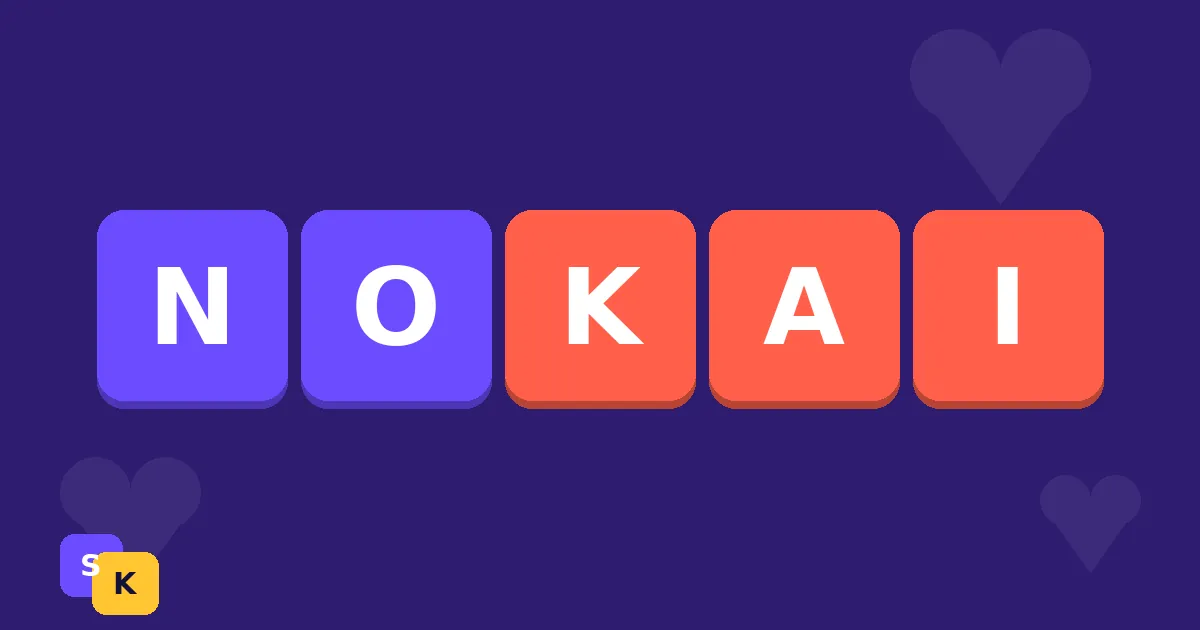
Every pair has two orders, and they often sound different. Ava and Liam give Liava one way and Aviam the other. Noor and Kai give Nokai or Kanoor. Pick with a short checklist.
- Say both aloud. Read each order three times. The one you stumble on less is usually the better one.
- Look at both written down. Write them in lowercase. If one version splits oddly on the screen, drop it.
- Listen to the ending. Many people prefer a blend that ends on a clear vowel or a soft consonant, because it feels finished. That is taste, not law, so go with what you like.
- Check fairness. The first name in a blend gets heard first. If that matters to either person, talk about it before you publish anything.
- Decide together. Show both options to both people and let them choose. A shared name should not be settled by one person quietly.
Sometimes neither order wins on sound. In that case, there are neutral ways to decide: alphabetical order, the order the two people met, or a coin flip. Choose one rule and tell both people about it. A clear rule feels fair even when one name ends up in front.
Some pairs also use both orders. One version becomes the "formal" couple name for wedding signs, and the other becomes the playful one for group chats. There is nothing wrong with that, as long as people know both are accepted.
How to choose between several blends
Most pairs end up with four or five blends. Picking one can feel harder than making them. Use a simple scoring pass.
Give each candidate a score from one to three on four points: how easy it is to say, how easy it is to spell after hearing it once, how clearly it shows both names, and how much both people like it. Add the scores. The highest total is your front runner. If two tie, the "how much both people like it" score breaks the tie.
Here is a worked example using invented names. Sana and Ravi test four blends.
- Savi
- Sanavi
- Ravisa
- SaRa
Savi is short and easy to say, but it leans toward both names equally and sounds a bit like the word "savvy," which they both enjoy. Sanavi is longer and shows both names clearly. Ravisa is smooth, though it leans toward Ravi. SaRa is clean for a handle, but it looks like a nickname for someone else. They give Savi top marks for sound and spelling, and Sanavi top marks for showing both names. In the end they pick Savi for everyday use and keep Sanavi for the wedding invitations.
That last step is worth copying. You do not have to pick one name for every setting. A short version for daily use and a longer version for formal use is common and works well.
If you are stuck, try the Name Mixer. Enter both names and look at the list it gives you, then run your scoring pass on the best five or six. Seeing many options at once makes it easy to notice which ones feel right.
Where to use a couple name
Wedding hashtags
A hashtag is where a blend earns its keep, because guests will type it. Keep it short and readable. Capitalize each word so the pieces stand out: #LiavaSaidYes is easier to read than #liavasaidyes, and capital letters also help people using screen readers. Add the year or a short phrase if the blend alone is too common.
- #LiavaForever
- #TheNokaiWedding
- #ZominaTieTheKnot
- #LeomarSaidYes
Before you print the hashtag on signs, read it as one long string and look for accidental words where the pieces meet. A run of letters can be read in more than one way when capitals are missing. Search the tag on the platforms you plan to use to see if others already use it. If you want a fuller process, the name availability checklist covers handles and tags.
Shared handles and accounts
A joint account for photos, travel, or a small project often uses the blend as its handle. Shorter is better. Add a small word when the plain blend is taken: a handle like "zomina.home" or "savi.and.co" still reads clearly. Check each platform's current rules about length and allowed characters, since they change.
Think about privacy as well. A handle that uses both full names can make it easy for strangers to find you. A blend is usually safer than two full names, though it still reveals who you are to people who know you. The username safety guide explains what to keep out of an online name.
Anniversary posts and cards
A couple name makes a good running theme. "Year three of Zomina" or "Another trip for Team Savi" is warmer than a plain caption. It also gives you a repeatable phrase for each year. Some couples keep a simple tradition: one post per anniversary, always tagged with the same blend.
Gifts and keepsakes
Engraved items and printed signs favor short blends. Initials combos like MiZo fit on small surfaces. If you plan to engrave, check spelling twice and avoid anything where capitals matter for readability, since some engraving styles use only capitals.
Nicknames as a pair
A joint name is different from a nickname. A blend names the pair. A nickname names one person, or one person inside the pair. Many couples and close friends end up with both: "Savi" for the two of them and a private pet name for each person.
You can use the blend as a base for individual nicknames. The pair Noor and Kai, who call themselves Nokai, might shorten that to "Noki" when they are teasing each other. A nickname from the blend carries a shared joke, which is what makes it feel personal.
If you want to build individual nicknames from scratch, try the Nickname Generator for starting ideas, and read how to create a nickname that sticks for tips on what makes one last. For ideas that suit relatives and close friends, nickname ideas for friends and family has examples.
Same-gender pairs, mixed pairs, and everyone else
Name blending does not depend on who the two people are. The same methods work for any two names, and the result should be judged by sound and by whether both people like it, not by assumptions about either one.
Some practical points keep things neutral:
- Do not assume an order. There is no rule that one kind of name goes first. Use the sound, a fair rule, or the pair's choice.
- Do not pick based on stereotypes. Choosing a blend because it "sounds more masculine" or "more feminine" adds nothing for most pairs and may annoy one person. Choose what sounds good.
- Let each person describe how they want their name used. Some people go by a short form, a middle name, or a name that is different from the one on a document. Blend the name they actually use.
- Ask before you share. Some people like a public joint name, and some want it kept to friends. The pair decides where it appears.
The same approach works for pairs of any kind, including two friends starting a podcast, two siblings sharing a hobby account, or two teammates in a duo. The example blends in this guide could belong to any of them.
When a blend sounds awkward, and how to fix it
Almost every pair hits at least one blend that falls flat. Here are the common problems and fixes.
| Problem | Example | Fix |
|---|---|---|
| Too many consonants at the join | Omar + Ravi = Omravi | Change the order or cut earlier: Ravomar or Omaravi |
| Vowel pile-up | Noor + Kai cut as Noai | Move the cut so one piece starts on a consonant: Nokai |
| Result looks like only one name | Ravi + Ava = Rava, close to Ravi | Try a different shared letter, or use a syllable swap |
| Sounds like an unrelated word | Kai + Ava = Kava, also a drink | Add a letter, change the order, or keep it as a nickname for fun |
| Too long | Ravivian | Trim one side to a short form |
| Hard to spell after hearing it | A blend with silent or unusual letters | Choose the simpler spelling and keep the fancier one for formal use |
If a blend only fails in one order, flip it. If it fails in both, step back and try another method, such as an initials combo like MiZo or a plain pairing with a symbol, like "Omar & Leo" in print and "OmLe" in a handle. A blend that does not work is not a failure of your names. Some pairs simply fit together better as two names, and that is a perfectly good answer.
Ship names for characters and fans
Fans blend names for fictional pairs to make them easy to talk about and tag. The same methods apply. For an invented pair like a pilot named Wren and a captain named Ember, "Wrember" (Wr + ember) is a clean blend, and "Embren" is another. Fans tend to pick the one that is easiest to type and search.
A few habits keep fan blending friendly:
- Keep it to characters. Pairing fictional people is one thing. Pairing real people who never asked for it is another, and it can make them feel uncomfortable, especially if they are private individuals or very young. Leave real people out unless the pair themselves use a joint name.
- Respect the creators and the story. Many fandoms have simple norms about tagging and spoilers. Follow the community's rules.
- Avoid sexual or hurtful content tied to a blend in public tags. Tags are read by many people, including young ones.
- Use the community's existing name if there is one. A new blend can split the conversation.
A decision table for common situations
| Situation | Best approach | Example |
|---|---|---|
| Wedding hashtag | Short blend, capitalized words, optional year | #LiavaSaidYes |
| Shared handle | Short blend plus a small word if taken | zomina.home |
| Engraving or small print | Initials or short-form combo | MiZo |
| Anniversary posts | Warm blend used every year | Year three of Zomina |
| Two names that clash | Syllable swap or two separate names | Savi and Rana |
| Similar endings | Use starts, not ends | Mira + Sara = Misa |
| Both people want to lead | Alphabetical order, or a coin flip | Leomar or Omleo |
| Fan pairing of characters | Easiest to type and tag | Wrember |
| Friends who want a team feel | Short blend, then a small tag word | Team Nokai |
Common mistakes
- Letting one person pick alone. A shared name needs a shared yes.
- Printing before testing. Say it aloud, search it, and ask a friend what it reminds them of before it goes on a sign.
- Using only one order. The reverse may sound better, and the alternative costs nothing.
- Making the blend too clever. A name nobody can spell becomes a hashtag nobody can find.
- Forgetting readability in hashtags. Without capitals, letters can join in strange ways. Capitalize each piece.
- Overlooking privacy. A blend plus a city plus a date can tell strangers more than you intend.
- Treating the blend as permanent. People change their minds. If a name stops fitting, a new one is fine.
- Picking by stereotype. Sound and fairness matter more than assumptions about who "should" go first.
Frequently asked questions
What is the difference between a ship name and a couple name?
They mean nearly the same thing. "Couple name" is the everyday term for a joint name for two people. "Ship name" comes from fan culture, where it names an imagined or fictional pair. The methods for building them are the same.
Which name should come first in a couple name?
Use the order that sounds better and reads more easily. If both orders sound equal, pick a fair rule such as alphabetical order, or flip a coin. Tell both people the rule so nobody feels ranked.
How do I make a couple name if our names are very different?
Try a syllable swap, an initials combo, or a blend that uses only the start of each name. If nothing sounds good, it is fine to use both names with an "and," and keep a short handle for online use.
Can friends use a blended name?
Yes. Friends, siblings, teammates, and creators all use joint names. The same steps apply: make a few blends, say them out loud, and let both people choose.
Should we use our blend as a wedding hashtag?
It can work well if it is short and readable. Capitalize each word, search the tag first, and read it as one string to catch accidental words. Check the current rules on the platform you plan to use.
What if the blend sounds like another word?
A small overlap is often harmless. If the match is odd or unkind, change the order, adjust the cut, or add a letter. If you like the match, keep it, but be aware of it.
Is it okay to make ship names for real people?
For private individuals, ask them first. For public figures, pairing them in public tags can still be unwelcome, so keep it respectful or skip it. Fictional characters are the simplest and safest choice.
Conclusion
Sit down together, make four blends, and score them on sound, spelling, and how clearly both names show. Let each person veto one. What remains is your joint name. Then try it in a real setting before you commit: type it as a hashtag, read it as a handle, and say it to a friend. To generate options quickly, use the Name Mixer. If you also want a private nickname for each person, the Nickname Generator is a good next stop, and the Name Mixing section has more guides on the topic.