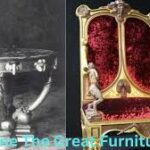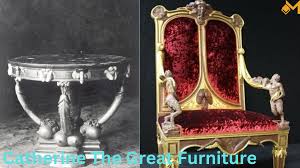
Catherine the Great, Empress of Russia from 1762 to 1796, is remembered not only for her political influence but also for her extraordinary taste in art, architecture, and interior design. Among her lasting cultural legacies, Catherine the Great’s furniture stands out as a symbol of imperial luxury, European refinement, and enlightened rule.
Her furniture collections transformed Russian palaces into showcases of artistic excellence and played a major role in shaping classical interior design in Eastern Europe.
Catherine the Great’s Vision for Interior Design
Catherine believed that art and design were powerful tools of leadership. Furniture was not merely functional—it was a statement of authority, intellect, and cultural sophistication.
She personally influenced palace interiors by:
- Choosing European styles
- Commissioning leading craftsmen
- Combining beauty with symbolism
Her goal was to present Russia as a modern, enlightened empire equal to France and Britain.
Styles That Defined Catherine the Great’s Furniture
Neoclassical Influence
The dominant style during Catherine’s reign was Neoclassicism, inspired by ancient Greece and Rome. Furniture featured:
- Clean lines and symmetry
- Classical motifs like laurel wreaths and columns
- Elegant proportions rather than excessive ornament
This style reflected Catherine’s admiration for philosophy, reason, and order.
French and Italian Craftsmanship
Catherine imported furniture and designers from France and Italy, the artistic centers of Europe. Many pieces were:
- Gilded with gold leaf
- Upholstered in silk, velvet, or brocade
- Decorated with painted panels and carvings
French furniture, especially from Paris, was considered the height of elegance and status.
Materials Used in Catherine the Great’s Furniture
The materials chosen for imperial furniture were luxurious and symbolic:
- Mahogany and walnut for durability and beauty
- Bronze and ormolu (gilded bronze) for decoration
- Marble and alabaster for tables and surfaces
- Silk and velvet for seating upholstery
Each material represented wealth, permanence, and imperial authority.
Iconic Furniture Pieces from Her Palaces
Thrones and State Chairs
Catherine’s thrones were grand and commanding, often decorated with:
- The Russian double-headed eagle
- Gold detailing
- Red or blue velvet upholstery
These chairs were designed to project power during official ceremonies.
Writing Desks and Cabinets
Catherine was a prolific writer and thinker. Her personal furniture included:
- Elegant writing desks
- Book cabinets and secretaries
- Furniture designed for comfort and productivity
These pieces reflected her intellectual side and love for literature.
Palace Sets
Entire furniture suites were created for rooms in the Winter Palace, Tsarskoye Selo, and Pavlovsk Palace, ensuring:
- Unified color schemes
- Matching chairs, tables, and sofas
- Balanced room layouts
This approach was advanced for its time and influenced later interior design concepts.
Artistic and Political Symbolism
Catherine’s furniture was rich in symbolism. Decorative elements often included:
- Mythological figures
- Classical gods and goddesses
- Military and imperial emblems
These details reinforced her image as a strong, educated, and legitimate ruler.
Influence on Modern Furniture Design
Catherine the Great’s furniture continues to inspire:
- Luxury neoclassical interiors
- Museum reproductions
- High-end European furniture brands
Many modern designers borrow elements such as symmetry, classical motifs, and refined proportions from her era.
Where Catherine the Great’s Furniture Exists Today
Original pieces can be seen in:
- The Hermitage Museum (Russia)
- Pavlovsk Palace
- Catherine Palace
These collections attract historians, designers, and art lovers from around the world.
Final Thoughts
Catherine the Great’s furniture was far more than decoration—it was a reflection of empire, intellect, and cultural ambition. By blending European artistry with Russian imperial identity, Catherine created interiors that remain timeless symbols of elegance and power.
Her furniture legacy proves that design can be a form of leadership, shaping how history remembers a ruler long after their reign ends.
Read More: Wheon.com GTA Vice City: Why This Classic Game Still Trends Online